
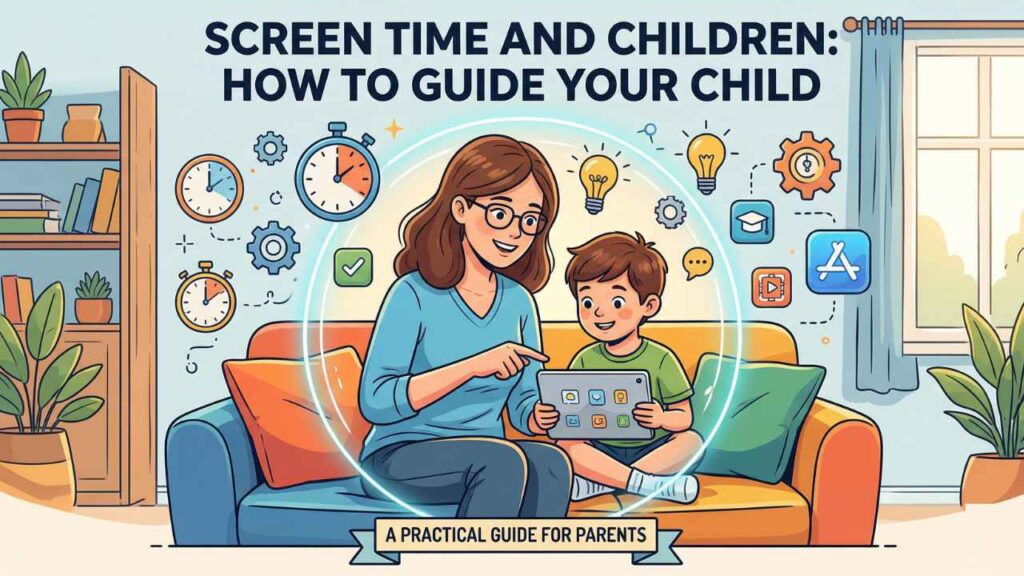
Screen Time has become a major part of children’s daily life. From online classes to mobile games and social media, children are spending more time on screens than ever before. While technology has benefits, excessive screen time can affect a child’s mental health, behaviour, and development.
In cities like Gurgaon and Delhi NCR, busy lifestyles and digital exposure have made it difficult for parents to manage their child’s screen habits. Understanding how to guide your child’s Screen Time is important for healthy growth and emotional balance.
Why Screen Time Needs Attention
Screen Time is not harmful in itself. The problem begins when it becomes excessive or uncontrolled. Children today are exposed to screens at an early age. Without proper guidance, this can affect their attention, sleep, and social skills.
Too much Screen Time can lead to reduced physical activity, poor concentration, and emotional irritability. It may also impact academic performance and relationships.
This is why parents need to monitor and guide screen usage in a balanced way.
Effects of Excessive Screen Time on Children
Children’s brains are still developing. High screen exposure can affect how they think, learn, and respond to emotions.
Some common effects include:
Difficulty focusing on studies or tasks.
Sleep problems due to late-night screen use.
Increased irritability and mood swings.
Reduced interest in outdoor play.
Poor social interaction with family and friends.
In some cases, excessive Screen Time may lead to digital addiction, where children feel restless or angry without devices.
Understanding Digital Detox for Children
A Digital Detox means reducing or limiting screen use for a certain period. It does not mean completely removing technology. Instead, it helps children develop a healthy balance.
Digital Detox allows the brain to rest. It improves sleep, focus, and emotional stability. For children, even small changes like reducing screen time before bedtime can make a big difference.
Parents should introduce Digital Detox gradually to avoid resistance.
How Parents Can Guide Screen Time
Managing Screen Time requires consistency and patience. Simple steps can help create healthy habits.
Set clear limits for daily screen use. Children should know when and how long they can use devices.
Create screen-free zones at home. For example, avoid screens during meals or before bedtime.
Encourage offline activities. Outdoor play, reading, and hobbies help reduce dependency on screens.
Be a role model. Children follow what parents do. Limiting your own screen use helps set an example.
Consistency is more important than strict rules. Gentle guidance works better than force.
Screen Time and Mental Health
Excessive Screen Time can affect a child’s emotional well-being. Children may become anxious, restless, or emotionally sensitive.
Constant exposure to fast-moving content can reduce attention span. It may also affect self-esteem due to social media comparisons.
In some cases, children may show behavioural issues such as anger, withdrawal, or lack of focus. These signs should not be ignored.
Early support helps prevent long-term mental health problems.
When Screen Time Becomes a Problem
Parents should watch for warning signs that indicate unhealthy Screen Time habits.
If a child becomes aggressive when devices are taken away, avoids social interaction, or loses interest in studies, it may be a sign of digital dependency.
Sleep disturbances and constant mood changes are also important signals.
In such cases, professional guidance can help understand the root cause and provide solutions.
Role of Therapy and Counselling
Sometimes, managing Screen Time requires professional help. Therapy can help children and parents understand emotional triggers behind excessive screen use.
Counselling helps improve communication, emotional control, and behavioural patterns. It also supports children in developing healthier habits.
Parents should not hesitate to seek help if they feel overwhelmed.
Support from COGNiZEN CARE
For families facing challenges related to Screen Time and child behaviour, professional support is available at COGNiZEN CARE.
Under the guidance of Dr Ankesh Singh, children receive structured and compassionate mental health care. The clinic focuses on child psychology, behavioural concerns, and digital addiction management.
Dr Ankesh Singh works closely with parents to create personalised strategies that improve children’s emotional health and daily routines.
Building Healthy Screen Habits
Healthy Screen Time habits are not about strict control. They are about balance.
Children need time for learning, play, rest, and social interaction. Balanced routines help them grow emotionally and mentally strong.
Parents should focus on quality of content, not just quantity of screen time. Educational and age-appropriate content is more beneficial than random usage.
Regular family time without screens strengthens relationships and emotional connection.
Final Thoughts
Screen Time is a part of modern life, but it should not control a child’s routine. With proper guidance, children can use technology in a healthy and balanced way.
Introducing Digital Detox, setting boundaries, and encouraging offline activities help create positive habits. If challenges continue, professional support can make a big difference.
With expert guidance from Dr Ankesh Singh and support from COGNiZEN CARE, parents can help their children develop a healthier relationship with screens.
A balanced approach today ensures better mental health for the future.
