
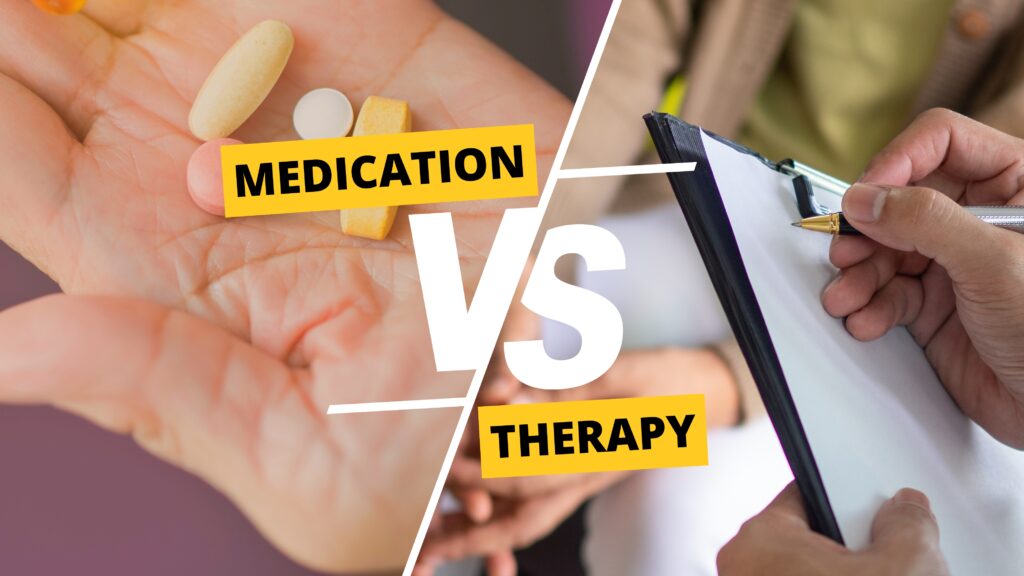
Anxiety and depression are among the most common mental health challenges of our time. With rising stress levels, lifestyle changes, and increasing awareness, more people are seeking professional help. But when it comes to treatment, a common question arises: Should I take medication, or should I go for therapy? Which works better?
This debate is ongoing, and the truth lies in understanding how both approaches work, their benefits, and when one may be more suitable than the other. In this blog, we’ll explore the differences between medication and therapy for anxiety and depression, the goals they address, and how you can find the right balance for your unique needs. Finally, we’ll see how an experienced psychiatrist like Dr. Ankesh Singh, a leading mental health expert in Delhi NCR, helps patients find the right treatment approach.
Why Treating Anxiety and Depression Is Important
Before diving into the treatment methods, let’s first understand why addressing these conditions matters.
- Mental health impacts physical health – Untreated anxiety and depression can lead to problems like headaches, high blood pressure, digestive issues, or even heart disease.
- Relationships suffer – Persistent mood disorders strain family, friendships, and romantic relationships.
- Work and productivity decline – Concentration, decision-making, and motivation all drop significantly.
- Quality of life decreases – Individuals stop enjoying hobbies, social events, and daily life.
Seeking timely treatment not only relieves symptoms but also restores balance, productivity, and happiness. That’s where the question of medication vs. therapy becomes crucial.
Medication: How It Helps
Psychiatric medications have been widely used for decades to treat both anxiety and depression. They work by balancing chemicals (neurotransmitters) in the brain that affect mood, emotions, and behavior.
Types of Medication Used:
- Antidepressants – Such as SSRIs (Selective Serotonin Reuptake Inhibitors) and SNRIs (Serotonin and Norepinephrine Reuptake Inhibitors).
- Anti-anxiety medications – Including benzodiazepines (short-term use) or buspirone.
- Mood stabilizers and antipsychotics – Sometimes used in severe or treatment-resistant cases.
Benefits of Medication:
- Fast relief of symptoms – Medications can reduce severe anxiety, panic attacks, or deep depression relatively quickly.
- Essential in severe cases – For people unable to function due to extreme symptoms, medication may be the first step.
- Biological support – Restores chemical balance, especially when brain function is significantly disrupted.
- Can prevent relapse – Long-term use of antidepressants may reduce recurrence.
Limitations of Medication:
- They don’t “solve” underlying psychological or situational issues.
- Side effects like drowsiness, weight gain, or sexual dysfunction may occur.
- Dependence risk (in some anti-anxiety medications).
- Require strict adherence to dosage and schedule.
Therapy: How It Helps
Psychotherapy, also called “talk therapy,” focuses on addressing thoughts, emotions, and behaviors that fuel anxiety and depression. A trained therapist or psychiatrist helps patients develop coping skills, resolve internal conflicts, and build resilience.
Popular Types of Therapy:
- Cognitive Behavioral Therapy (CBT) – Helps identify and change negative thought patterns.
- Psychodynamic Therapy – Focuses on exploring unconscious conflicts rooted in childhood or past experiences.
- Interpersonal Therapy (IPT) – Addresses relationship issues and communication.
- Mindfulness-Based Therapy – Teaches stress reduction through mindfulness practices.
Benefits of Therapy:
- Addresses root causes – Unlike medication, therapy works on the “why” behind symptoms.
- Teaches coping strategies – Patients learn long-term tools to handle stress and negative thinking.
- Empowers self-growth – Encourages healthier habits, relationships, and perspectives.
- No side effects – Unlike medication, therapy is safe for long-term use without physical risks.
Limitations of Therapy:
- Takes time and consistency to see results.
- Requires commitment and active participation.
- May be less effective in severe cases without medication support.
Medication vs. Therapy: Which Works Best?
The answer depends on individual needs, severity, and lifestyle factors.
- Mild to Moderate Depression/Anxiety
- Therapy often works best as the first-line treatment.
- Patients can learn coping mechanisms without relying on long-term medication.
- Severe Depression/Anxiety
- Medication is essential to stabilize symptoms quickly.
- Once stabilized, therapy is introduced for deeper healing.
- Combination Approach (Medication + Therapy)
- Research shows that a mix of both often produces the best outcomes.
- Medication manages biological symptoms while therapy addresses root causes.
- Patient Preference and Lifestyle
- Some patients prefer avoiding medication due to side effects.
- Others may not have time for therapy sessions and prefer faster relief from medication.
In short, there is no one-size-fits-all solution. The best treatment is personalized, based on clinical evaluation and patient comfort.
Common Goals of Both Treatments
Whether you choose medication, therapy, or both, the goals are similar:
- Reduce symptoms of anxiety and depression.
- Improve daily functioning at work, school, or home.
- Enhance relationships with family, friends, and colleagues.
- Prevent relapse and maintain long-term mental health.
- Empower independence by teaching patients to manage stress and triggers.
How to Decide What’s Right for You
- Seek professional evaluation – Don’t self-diagnose or self-medicate.
- Discuss openly with your psychiatrist – Share your preferences, lifestyle, and concerns.
- Start with a plan – Sometimes, beginning with medication helps, followed by therapy for sustained improvement.
- Track progress – Monitor how you feel week by week.
- Be patient – Healing takes time, whether through therapy, medication, or both.
Why Consulting a Psychiatrist Is Crucial
A psychiatrist plays a central role in guiding you through this decision. Unlike general physicians, psychiatrists are trained to:
- Diagnose accurately using psychological assessments.
- Prescribe and adjust medication when necessary.
- Provide psychotherapy or refer to specialized therapists.
- Offer a holistic approach that combines biological, psychological, and lifestyle interventions.
Dr. Ankesh Singh: Guiding You Towards Better Mental Health
When dealing with anxiety and depression, having the right psychiatrist can make all the difference. In Delhi NCR, Dr. Ankesh Singh is a trusted name for patients seeking compassionate and effective care.
How Dr. Ankesh Singh Helps:
- Personalized treatment plans – He carefully evaluates each patient’s needs before recommending medication, therapy, or both.
- Balanced approach – Instead of relying solely on pills, he combines modern psychiatry with therapeutic methods for sustainable results.
- Holistic care – Focuses not just on symptoms but also on lifestyle, stress management, and overall well-being.
- Patient-first philosophy – Known for his empathetic approach, he ensures patients feel comfortable and understood.
- Expertise in multiple areas – From mood disorders and anxiety to stress-related conditions, he provides comprehensive psychiatric care.
Why Choose Dr. Ankesh Singh?
- Years of expertise in treating anxiety and depression.
- Trusted by patients across Delhi NCR.
- Offers both in-person and online consultations for convenience.
- Believes in reducing stigma around mental health and making care accessible.